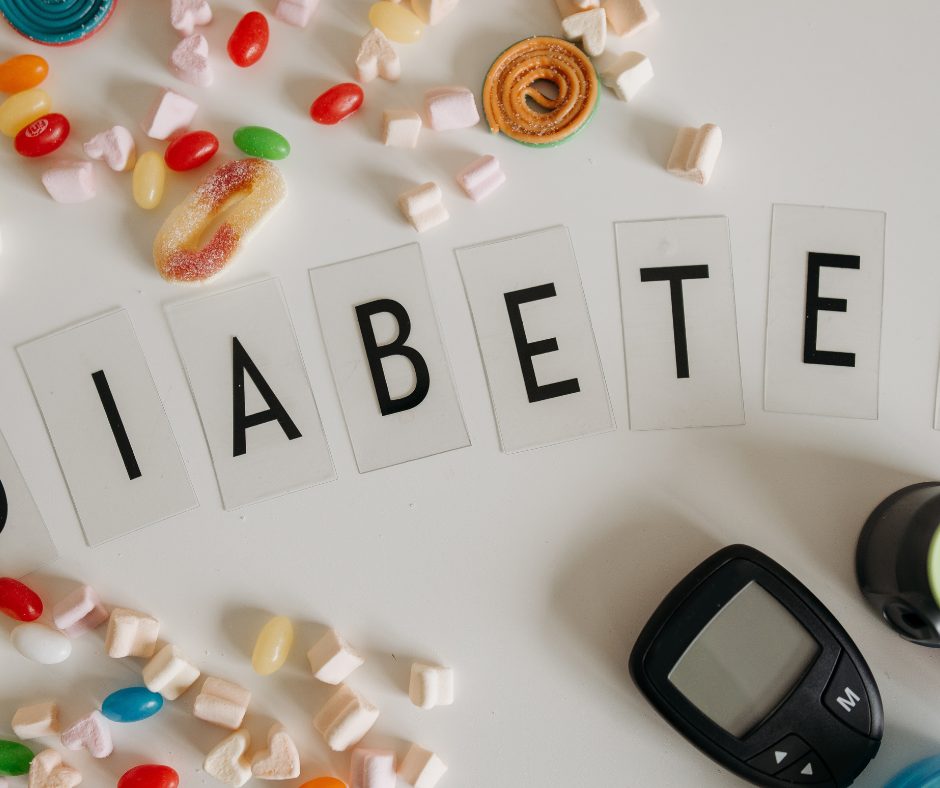
Diabetes Is One of the Leading Causes of Vision Loss
Diabetes is one of the leading causes of vision loss in adults. The good news is that early detection and timely treatment greatly lower the risk of serious vision loss. That’s why a yearly diabetic eye exam is one of the most important things you can do to protect your sight when you live with diabetes.
How Diabetes Affects Your Eyes
Over time, high blood sugar can damage the tiny blood vessels throughout your body, including the ones in your retina, the light-sensitive layer at the back of your eye. This can lead to:
- Diabetic retinopathy. Blood vessels in the retina weaken, leak, or bleed. In advanced stages, fragile new vessels can grow and cause scarring.
- Diabetic macular edema. Fluid builds up in the macula, the part of the eye responsible for sharp central vision.
- Cataracts. People with diabetes tend to develop cataracts earlier.
- Glaucoma. Diabetes is linked to a higher risk of glaucoma.
Blood sugar swings can also make your vision blurry from day to day, even before any eye disease develops.
Why You Can’t Wait for Symptoms
Diabetic retinopathy usually has no symptoms early on. Many people feel their vision is fine while changes are already happening inside the eye. By the time you notice blurriness, floaters, or dark spots, the disease may be more advanced. A dilated eye exam can find changes before you notice them.
We recommend a diabetic eye exam at least once a year, or as your eye doctor recommends. This applies to people with type 1 or type 2 diabetes. If you’re pregnant or planning a pregnancy and have diabetes, tell us, because your eyes may need closer monitoring.
What We Check
During a diabetic eye exam, we look closely at the health of your retina and the rest of your eye:
- Retinal imaging. Digital photos of the back of your eye let us spot changes and compare them from year to year.
- Blood vessel changes. We look for narrowing, leaking, or new, abnormal vessels.
- Swelling. We check the macula for fluid that can blur central vision.
- Bleeding. Small spots of bleeding in the retina can be an early sign of diabetic retinopathy.
- Pressure changes. Eye pressure testing helps screen for glaucoma, which is more common in people with diabetes.
We usually use dilating drops for the best view. Your vision may be blurry and light-sensitive for a few hours afterward, so bring sunglasses and consider having someone drive you.
If We Find Changes
Many early changes are watched with more frequent exams and good control of blood sugar, blood pressure, and cholesterol. If you need treatment such as injections or laser, we’ll refer you to a local retina specialist and keep supporting your eye care. We also send a report of your exam to your primary care doctor or endocrinologist, so the doctor who manages your diabetes knows what we found. Learn more about our diabetic eye exams and our comprehensive eye exams.
Protect Your Eyes Every Day
- Keep blood sugar, blood pressure, and cholesterol in your target ranges.
- Take your medications as prescribed.
- Don’t smoke.
- Stay active and eat well.
- Keep your yearly eye exam on the calendar.
If you notice sudden changes, such as a shower of new floaters, flashes of light, a curtain over your vision, or sudden vision loss, get help right away. For sudden vision loss, go to the nearest ER or call 911.
Will Insurance Cover It?
Diabetic eye exams are often billed to medical insurance rather than a vision plan, but coverage depends on your plan. Our team can help you check. See Medical or Vision Plan? for more.
Book Your Diabetic Eye Exam
To schedule a comprehensive diabetic eye exam with our family eye doctors, Call or Text 954-763-2842 or request an appointment online.