
If you live with diabetes, your eyes need extra attention. Diabetes can damage the tiny blood vessels in the retina, the light-sensitive layer at the back of the eye, often long before you notice any change in your vision. At Fort Lauderdale Eye Care and Eyewear, our optometrists provide thorough diabetic eye exams to look for early signs of damage and help protect your sight for the long term.
How Diabetes Affects Your Eyes
High blood sugar over time can affect several parts of the eye:
- Diabetic retinopathy. Blood vessels in the retina can weaken, leak, or bleed. In later stages, fragile new vessels may grow and cause more serious problems.
- Diabetic macular edema. Fluid can build up in the macula, the part of the retina responsible for sharp central vision, making reading and recognizing faces harder.
- Cataracts. People with diabetes tend to develop cataracts at a younger age.
- Glaucoma. Diabetes is linked to a higher risk of glaucoma, which damages the optic nerve.
- Changing vision. Swings in blood sugar can cause blurry vision that comes and goes, even if your eyes are otherwise healthy.
Why a Yearly Exam Matters Even If You See Fine
Diabetic retinopathy often has no symptoms in its early stages. You may feel your vision is perfectly normal while changes are already happening inside the eye. That’s why regular diabetic eye exams are so important. Finding changes early, and getting timely treatment when it’s needed, greatly lowers the risk of serious vision loss.
We recommend a diabetic eye exam at least once a year, or as your eye doctor recommends. If we see changes, we may want to see you more often. This applies to people with type 1 or type 2 diabetes. If you have diabetes and are pregnant or planning a pregnancy, let us know, because your eyes may need closer monitoring during that time.
What Happens During a Diabetic Eye Exam
A diabetic eye exam builds on a comprehensive eye exam with extra focus on the retina. It usually includes:
- A health history review. We’ll ask how long you’ve had diabetes, how your blood sugar has been, what medications you take, and whether you have high blood pressure or high cholesterol.
- Vision and prescription testing to check for any changes.
- Eye pressure testing to screen for glaucoma.
- A dilated retinal exam. Dilating drops widen the pupil so the doctor can carefully examine the retina, blood vessels, and optic nerve.
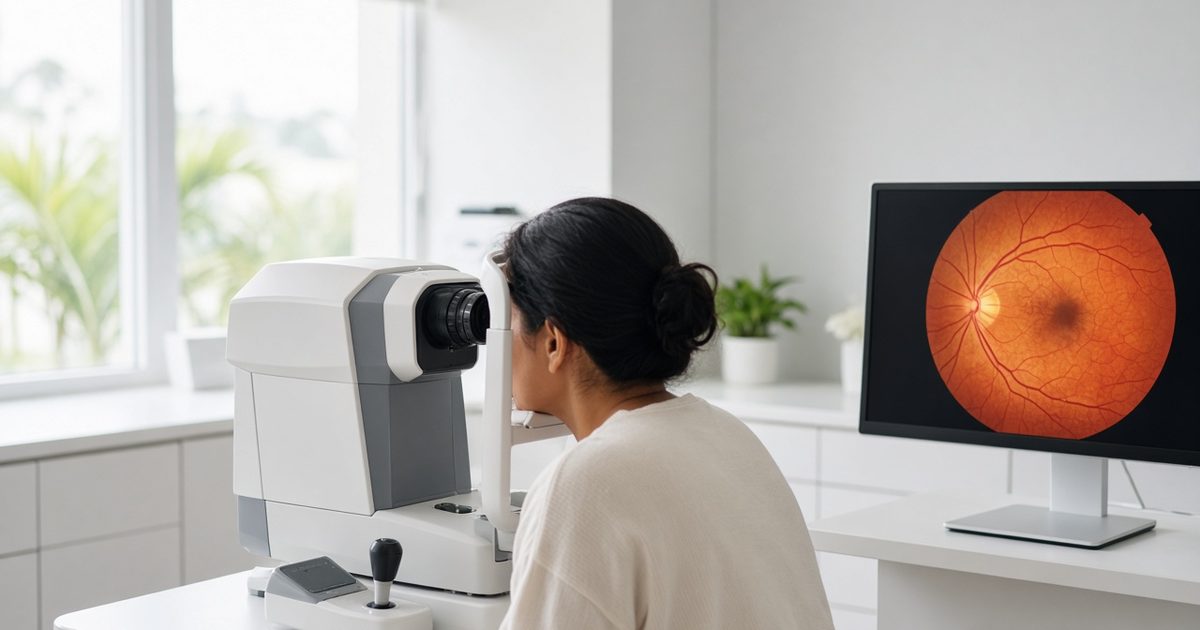
- Retinal imaging. Digital photos of the retina help us spot blood vessel changes, swelling, or bleeding and compare them from one visit to the next.
Dilation can make your vision blurry and sensitive to light for a few hours, so bring sunglasses and consider having someone drive you home.
Working With Your Diabetes Care Team
Your eyes are one part of your overall diabetes care. We coordinate with the doctor who manages your diabetes, whether that’s your primary care doctor or your endocrinologist, and send them a report of your diabetic eye exam. Bring their name and office contact information to your visit so your whole care team stays informed.
If We Find Changes
Not every change needs treatment right away. Early retinopathy is often monitored with more frequent exams and attention to blood sugar, blood pressure, and cholesterol. If you need treatment such as injections or laser, we’ll refer you to a trusted local retina specialist and continue to see you for ongoing eye care.
Protecting Your Vision Between Visits
- Keep your blood sugar, blood pressure, and cholesterol in your target ranges
- Take medications as prescribed
- Don’t smoke
- Stay active and follow your doctor’s nutrition advice
- Keep up with your yearly diabetic eye exam
Call or Text 954-763-2842 right away if you notice sudden changes such as new floaters, flashes of light, a dark curtain over your vision, or a sudden loss of vision. For sudden vision loss, go to the nearest emergency room or call 911.
Insurance for Diabetic Eye Exams
Because diabetes is a medical condition, diabetic eye exams are often billed to medical insurance rather than a vision plan. Coverage varies, so our team will help check your benefits. Learn more on our Insurance Information and Medical or Vision Plan? pages.
Diabetic Eye Exam FAQs
How often should I have a diabetic eye exam?
At least once a year, or as your eye doctor recommends. If we find signs of diabetic retinopathy or other changes, we may recommend more frequent visits.
My vision is fine. Do I still need a diabetic eye exam?
Yes. Diabetic retinopathy often causes no symptoms early on. A dilated eye exam can find changes before you notice them, when treatment and monitoring can do the most good.
Will my eyes be dilated?
In most cases, yes. Dilation gives the best view of the retina and its blood vessels. Your vision may be blurry and light-sensitive for a few hours afterward, so bring sunglasses.
Is a diabetic eye exam covered by insurance?
Diabetic eye exams are often billed to medical insurance, but coverage depends on your plan. Call or Text 954-763-2842 and our team will help you check your benefits.
Can diabetic eye disease be treated?
Yes. Many people are managed with regular monitoring and good control of blood sugar, blood pressure, and cholesterol. When treatment is needed, retina specialists offer options such as injections and laser therapy. We’ll coordinate a referral if you need one.
Schedule Your Diabetic Eye Exam
Protecting your eyes is one of the most important parts of managing diabetes. Request an appointment online, or Call or Text 954-763-2842.
Fort Lauderdale Eye Care and Eyewear · 1567 South Federal Highway, Fort Lauderdale, FL 33316